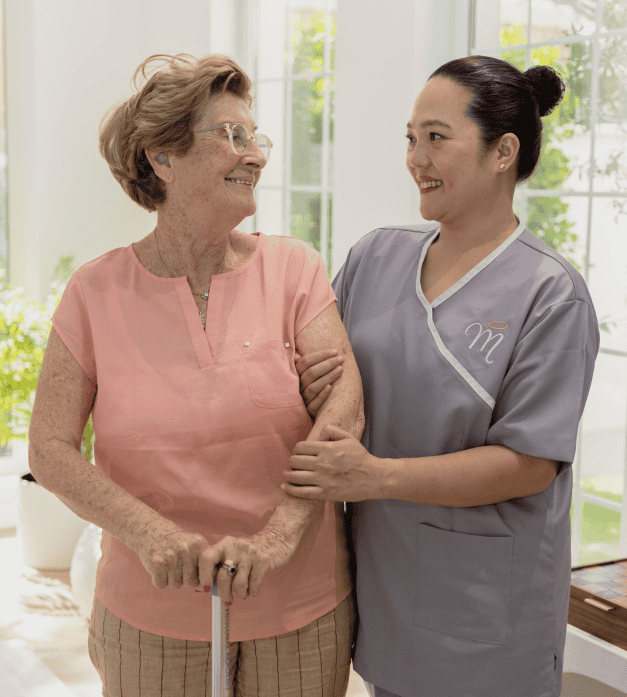
The Role Of Physical Therapy In Elderly Home Care Plans

Aging bodies lose strength, flexibility, and balance gradually, making daily tasks increasingly difficult without proper intervention and support. Physical therapy offers proven methods to maintain mobility, reduce pain, and prevent falls that threaten independent living arrangements.
Professional therapists design personalized exercise programs that address specific limitations and functional goals for each individual. Successful elderly home care integrates physical therapy as a core component of comprehensive wellness strategies.
Why physical therapy is important
Home offers comfort but also presents unique physical hurdles like stairs, rugs, and bathroom tiles. Physical therapists assess these environments and design personalized exercise routines that fit into daily life. These professionals teach seniors how to navigate their own space with better balance and strength, directly lowering the risk of serious injuries. Regular sessions build confidence, allowing older individuals to perform basic tasks like getting out of a chair or walking to the kitchen without strain or fear.
Addressing pain and stiffness directly
Chronic joint pain and muscle stiffness often limit what seniors can do each day. Therapeutic exercises target these specific areas, using gentle stretches and controlled movements to loosen tight muscles and improve joint function. This active approach reduces discomfort without relying solely on medication, offering a natural way to manage arthritis or back pain. Seniors notice they can reach for items, bend down, or turn around with less effort, which makes daily living far more comfortable and enjoyable.
Fall prevention as a top priority
A single fall can change an older adult’s life, leading to fractures, hospital stays, and loss of independence. Physical therapy tackles this risk head-on by strengthening core muscles and improving reaction time. Therapists conduct simple balance tests and then introduce standing exercises, heel-to-toe walking, and weight-shifting drills. These activities train the body to recover from stumbles and maintain steadiness on uneven surfaces. The result is a safer home environment where seniors move freely without constant worry about losing their footing.
Managing chronic conditions effectively
Conditions like osteoporosis, stroke recovery, or Parkinson’s disease respond well to targeted physical therapy interventions. Each plan addresses the specific limitations caused by these health issues, using repetition and graded difficulty to rebuild lost function. For stroke survivors, therapy focuses on retraining affected limbs and restoring walking patterns. For those with osteoporosis, weight-bearing exercises strengthen bones and improve posture. This individualized care ensures that each senior works on what matters most for their particular health situation.
More Stories
Custom Sculpture Materials Compared For Indoor And Outdoor Use
A sculpture can change the mood of a room or give an outdoor space a striking focal point. Material choice...
Why Nursery School Children Learn Best Through Stories
Little minds light up when a curious rabbit meets a talking tree or a brave child discovers a hidden treasure....
Event Planners: What Planners Need To Know Before Booking
Every memorable event begins with decisions that set the tone, excitement, and guest experience. A venue, entertainment, technology, and budget...
The Bedtime Routine That Includes Anti-Lice Shampoo For Kids
Bedtime can be a struggle when a child has an itchy scalp and the discomfort of head lice. Scratching,...
How To Leverage Bank Mortgages Wisely When You Buy Property
Smart mortgage use can turn a property purchase into a manageable investment rather than a heavy financial burden. The...
How To Get A Flawless iPhone Screen Repair Every Time
A damaged iPhone screen can look like a simple cosmetic problem until touch response starts failing, display quality changes,...