How The Top CNC Machining Companies Handle Tight Tolerances

Producing precise components requires control at every stage, from digital drawings to final inspection. Tight tolerances keep parts within exact dimensional limits and support reliable assembly across demanding applications.
Skilled machinists combine advanced equipment, stable processes, precise measurements, and experienced judgment to achieve consistent results. These practices set leading CNC machining companies in Dubai apart from ordinary production shops.
Precision begins with advanced CNC equipment
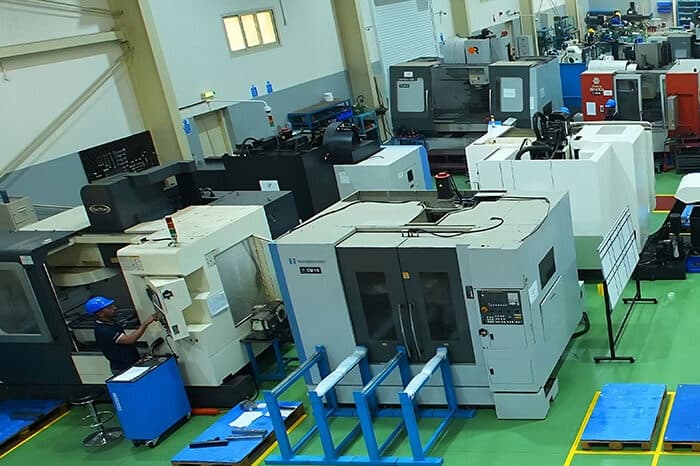
High quality CNC machines provide the foundation for accurate production. Top shops use modern milling and turning equipment with rigid structures, responsive controls, and high positioning accuracy. Advanced machines maintain consistent movement during demanding cuts, helping machinists produce intricate features within narrow dimensional limits. Regular machine servicing also protects accuracy by reducing mechanical variation during production.
Digital programming supports exact cutting
Precise machining starts with accurate programming. Experienced teams review CAD models, technical drawings, toolpaths, and material specifications before production begins. CAM software helps generate efficient cutting paths while reducing unnecessary tool movement. Machinists also select suitable feeds, speeds, cutting depths, and tooling based on the material and component design. This combination gives each operation greater dimensional control.
Tool selection protects dimensional accuracy
Cutting tools directly influence final part dimensions. Top CNC machining companies select tooling according to material hardness, feature size, surface requirements, and cutting conditions. Sharp tools produce cleaner cuts and reduce unwanted variation. Teams also monitor tool wear throughout production and replace worn tooling before it affects component accuracy. This approach supports stable dimensions across repeated production runs.
Temperature control reduces machining variation
Heat can affect both machines and materials during machining. Skilled shops manage thermal conditions to reduce dimensional changes during demanding operations. Coolant systems help control cutting temperatures while proper machine warm-up supports consistent performance. Teams also consider material expansion when they work with components that require extremely narrow tolerances. Stable thermal conditions support dependable measurements during inspection.
Inspection verifies every critical dimension
Precision machining requires reliable measurement after cutting. Leading shops use instruments such as coordinate measuring machines, micrometers, calipers, gauges, and optical inspection systems. These tools help teams compare finished components against engineering specifications. Inspection records also reveal production trends, allowing machinists to adjust processes before dimensional variation affects larger batches.


More Stories
Custom Sculpture Materials Compared For Indoor And Outdoor Use
A sculpture can change the mood of a room or give an outdoor space a striking focal point. Material choice...
Why Nursery School Children Learn Best Through Stories
Little minds light up when a curious rabbit meets a talking tree or a brave child discovers a hidden treasure....
Event Planners: What Planners Need To Know Before Booking
Every memorable event begins with decisions that set the tone, excitement, and guest experience. A venue, entertainment, technology, and budget...
The Bedtime Routine That Includes Anti-Lice Shampoo For Kids
Bedtime can be a struggle when a child has an itchy scalp and the discomfort of head lice. Scratching,...
How To Leverage Bank Mortgages Wisely When You Buy Property
Smart mortgage use can turn a property purchase into a manageable investment rather than a heavy financial burden. The...
How To Get A Flawless iPhone Screen Repair Every Time
A damaged iPhone screen can look like a simple cosmetic problem until touch response starts failing, display quality changes,...