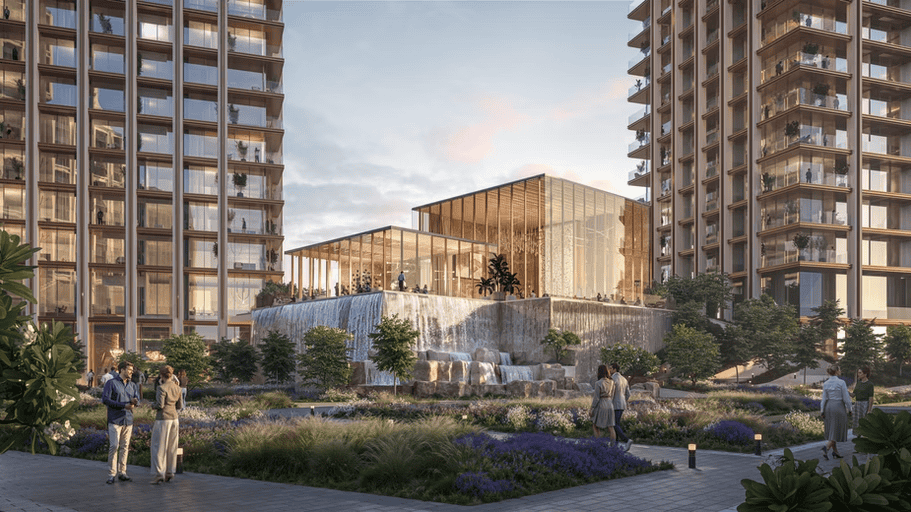
The Top Tools Used By Architectural 3D Rendering Companies

Creating a convincing architectural visual takes considerably more than a basic 3D model. Behind those polished images are powerful modeling, rendering, texturing, lighting, and post-production tools that help artists turn technical plans into realistic scenes.
An architectural 3d rendering company often uses several software platforms together, with each tool handling a specific part of the creative process. The exact setup varies between studios, but several names are widely used across the industry.
Autodesk 3ds Max
3ds Max is a popular choice for architectural modeling and visualization. Artists can create detailed buildings, interiors, furniture, landscaping elements, and other objects before preparing them for rendering. Its extensive modeling features and compatibility with various rendering engines make it useful for complex architectural projects.
SketchUp
SketchUp is known for its accessible modeling workflow and is widely used by architects and visualization artists. It allows teams to develop building concepts and spatial layouts quickly. Models created in SketchUp can also be exported into other software for detailed materials, lighting, and final rendering.
V-Ray
V-Ray is a widely recognized rendering engine used to produce highly realistic architectural images. It provides detailed control over lighting, materials, reflections, shadows, and other elements that influence the final appearance of a scene. It is commonly paired with modeling software such as 3ds Max and SketchUp.
Corona Renderer
Corona is another popular rendering engine for architectural visualization. Its workflow is designed around producing realistic lighting and materials while keeping the rendering process relatively straightforward. Many artists use it for interior and exterior architectural scenes where natural-looking light and detailed materials are important.
Blender
Blender offers modelling, texturing, animation, rendering, and visual effects capabilities within one platform. Its broad feature set makes it useful for studios working across architectural visualisation and other forms of 3D content. It is also an open source tool, making it accessible to artists and smaller teams.
Adobe Photoshop
Even after a 3D scene has been rendered, the image often needs additional work. Photoshop is commonly used for post-production, allowing artists to adjust lighting, colors, skies, vegetation, people, reflections, and small visual details. This final stage can help bring the rendered image closer to the intended presentation.
Unreal Engine
Unreal Engine is increasingly used for real-time architectural visualization. It can create interactive environments where clients can explore spaces virtually instead of viewing a series of still images. This can be useful for large developments, property presentations, virtual tours, and immersive design reviews.


More Stories
Custom Sculpture Materials Compared For Indoor And Outdoor Use
A sculpture can change the mood of a room or give an outdoor space a striking focal point. Material choice...
Why Nursery School Children Learn Best Through Stories
Little minds light up when a curious rabbit meets a talking tree or a brave child discovers a hidden treasure....
Event Planners: What Planners Need To Know Before Booking
Every memorable event begins with decisions that set the tone, excitement, and guest experience. A venue, entertainment, technology, and budget...
The Bedtime Routine That Includes Anti-Lice Shampoo For Kids
Bedtime can be a struggle when a child has an itchy scalp and the discomfort of head lice. Scratching,...
How To Leverage Bank Mortgages Wisely When You Buy Property
Smart mortgage use can turn a property purchase into a manageable investment rather than a heavy financial burden. The...
How To Get A Flawless iPhone Screen Repair Every Time
A damaged iPhone screen can look like a simple cosmetic problem until touch response starts failing, display quality changes,...